


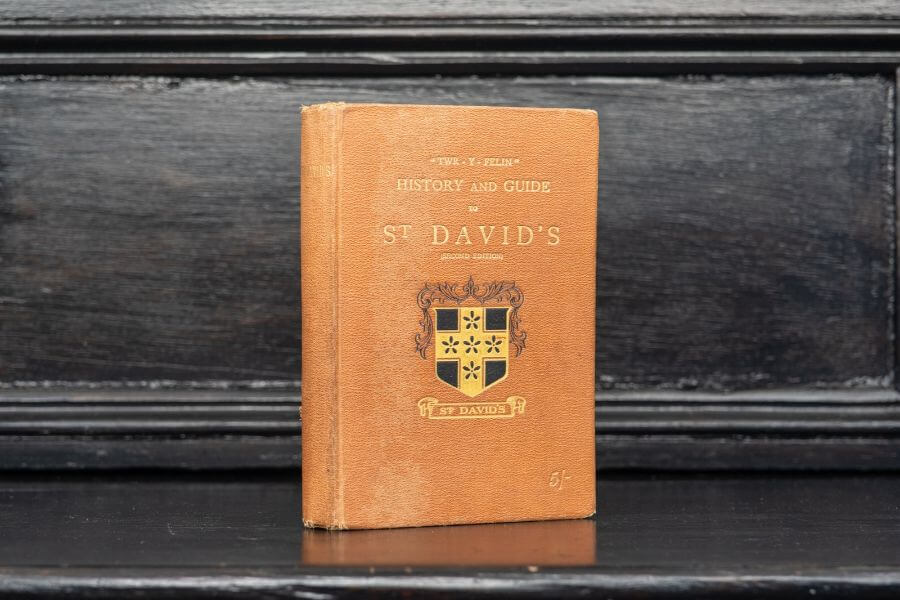
A GUIDE TO ST DAVIDS, WRITTEN FROM THE TOP OF TWR Y FELIN
Long before St Davids became a destination for coastal escapes, contemporary art and long walks by the sea, visitors were already arriving with a curiosity about this small corner of Pembrokeshire.
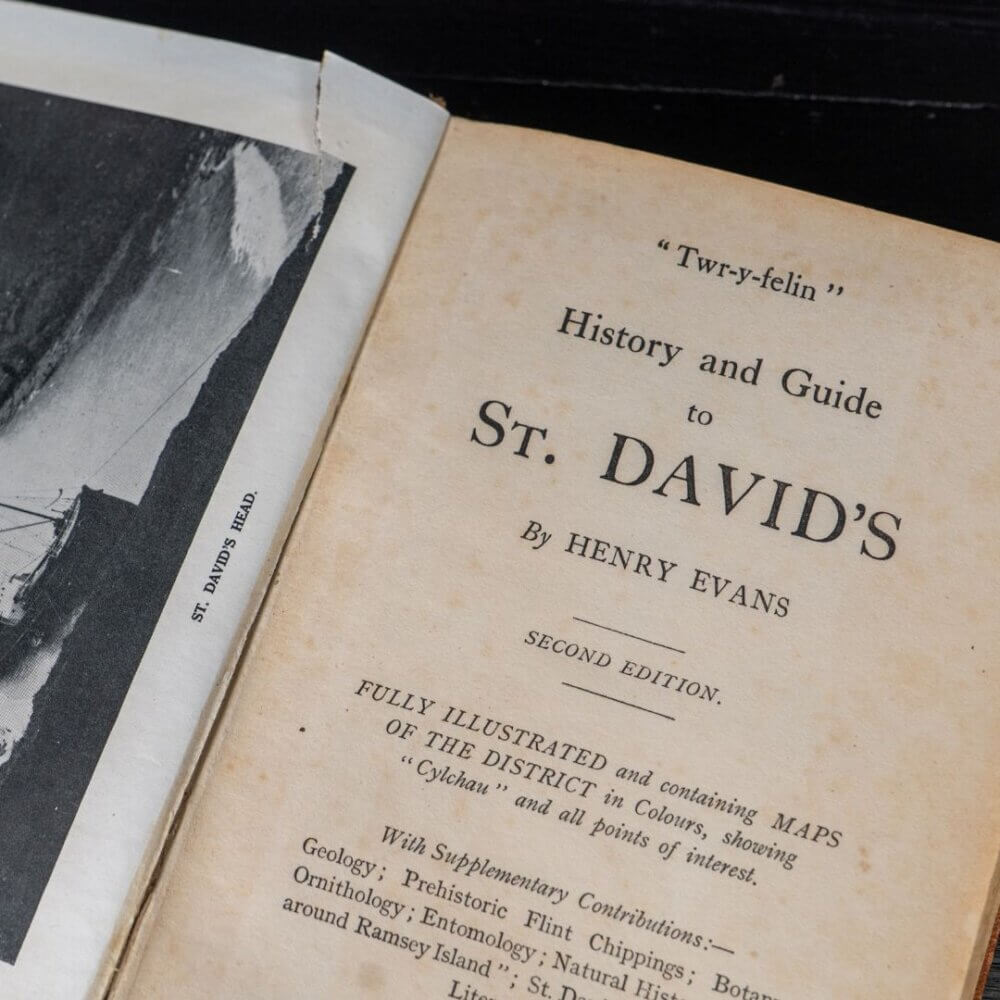
In 1923, a guidebook was published that set out to tell them everything they needed to know.
Twr-y-Felin History and Guide to St Davids, written by Henry Evans, offers a fascinating glimpse into St Davids as it was more than a century ago. First published in 1915, the guide was revised and enlarged for its second edition in 1923, and is regarded as one of the most detailed accounts of the area from the early twentieth century.
But there is something particularly fitting about the book being associated with Twr y Felin itself.
Written from above St Davids
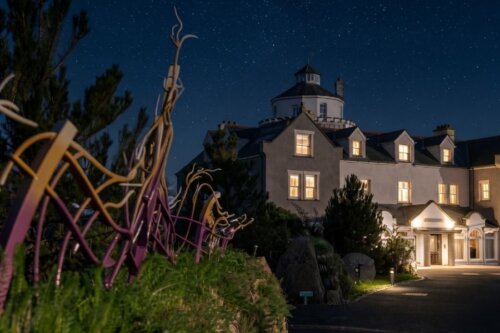
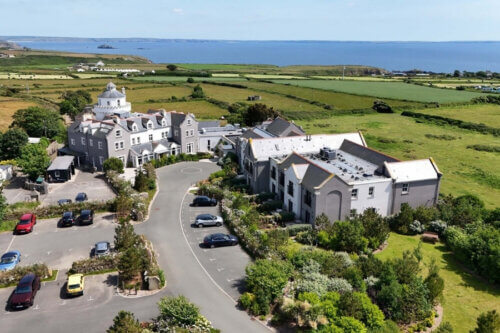
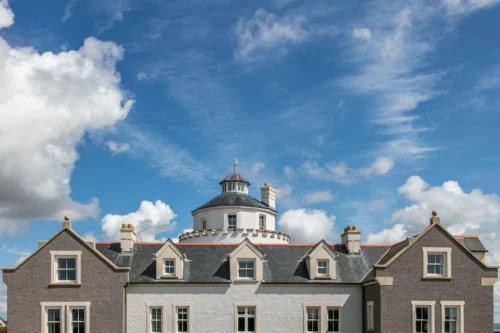
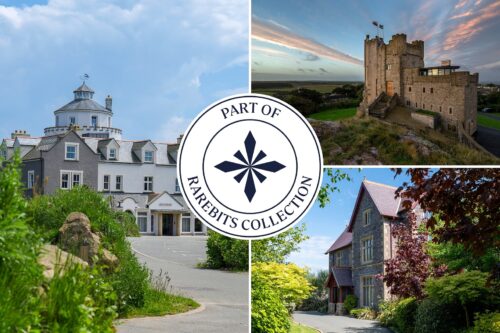
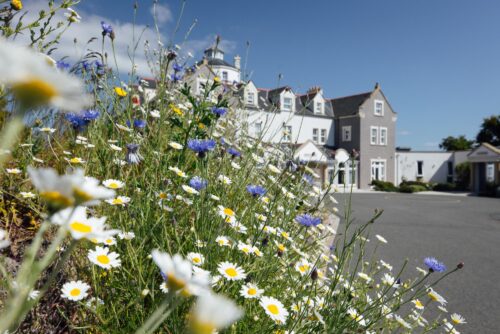
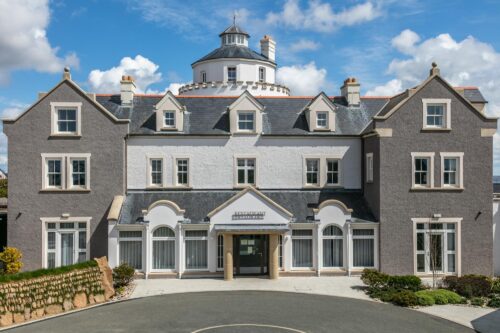
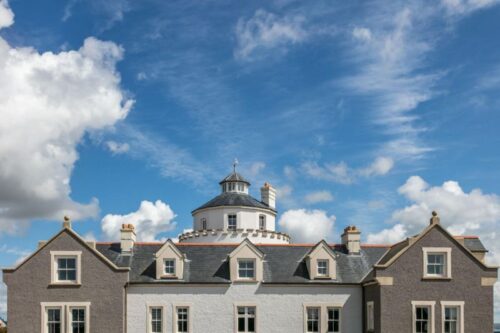
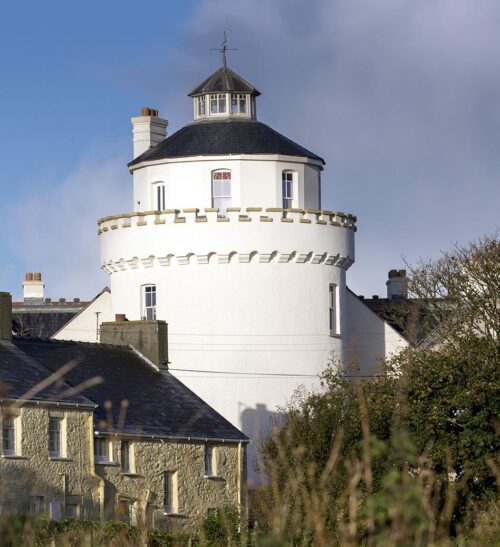
At the time the guide was written, Twr y Felin was already a familiar landmark on the St Davids landscape. Originally a windmill dating from 1806, the building was extended and converted into a hotel in the early twentieth century, with an observatory added to the top of its tower.
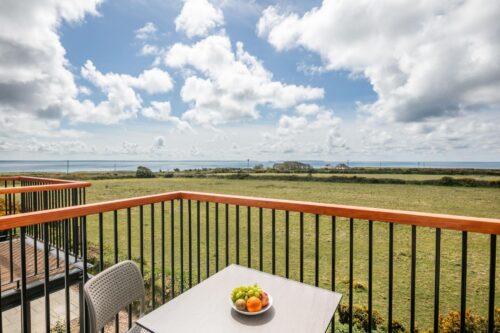
The observatory offered an extraordinary vantage point: a 360-degree panorama taking in the landscape, coastline and surrounding countryside. More than 100 years later, that same viewpoint remains one of the defining features of Twr y Felin, with the observatory looking across the St Davids Peninsula and towards St Brides Bay.
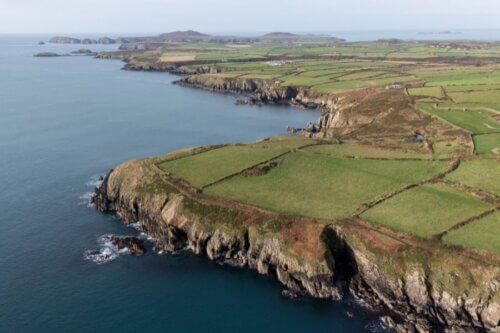
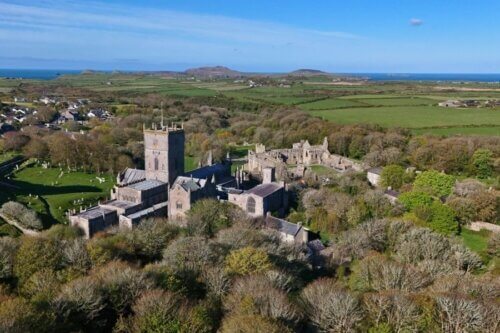
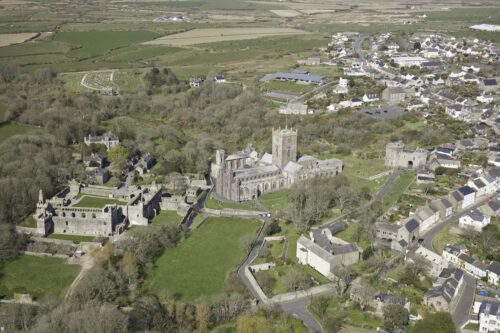
It seems an appropriate place from which to write a guide to St Davids. From the top of the tower, the landscape becomes a map in itself, the cathedral, coast, fields, islands and headlands all laid out below.
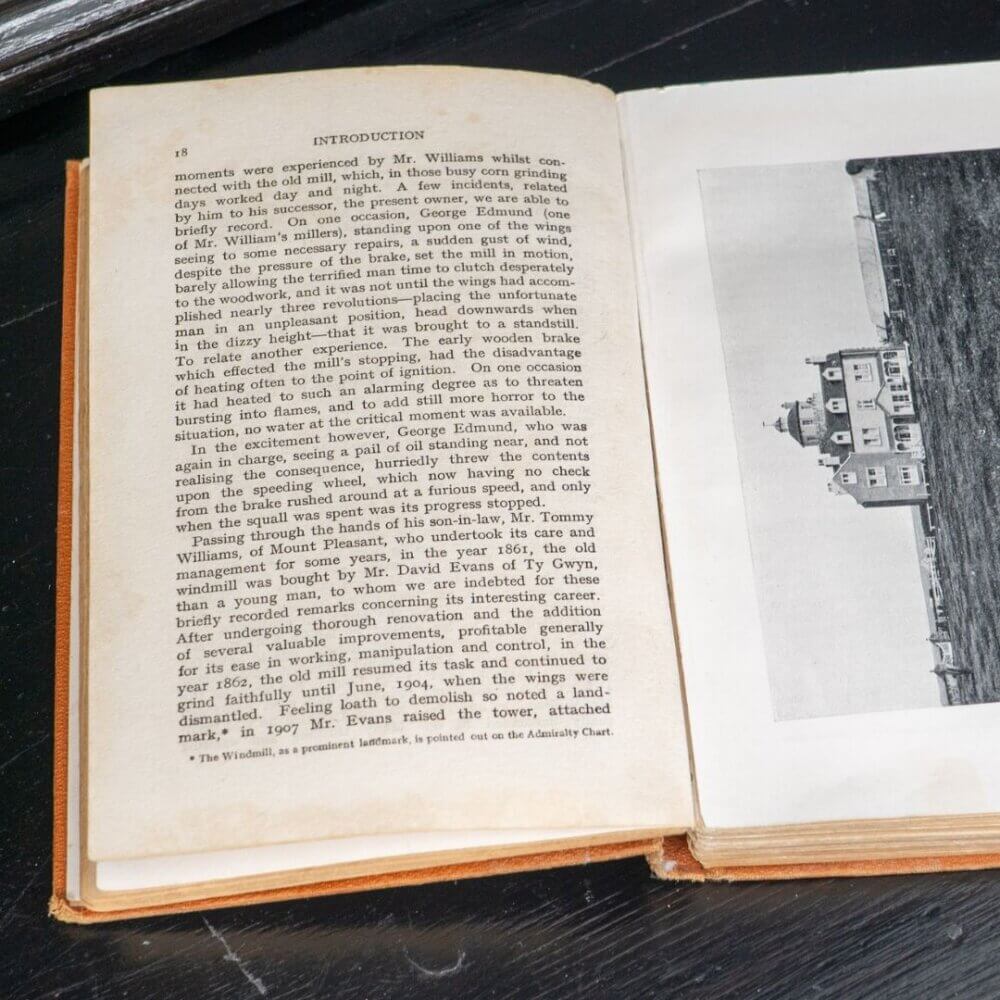
“The windmill at St Davids was erected in the year 1806, by an old resident, George Llewellyn of "Foxhole," Tygwyn (on the shores of Whitesands Bay), assisted by his two sons, John and Henry, who were carpenters."
Excerpt from the Twr y Felin History & Guide to St Davids
St Davids, then and now
More than a century has passed since the second edition was published, yet much of what Evans described can still be found around St Davids.
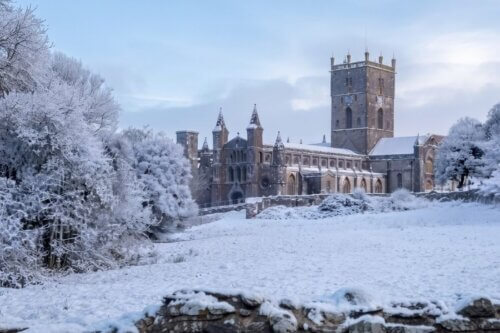
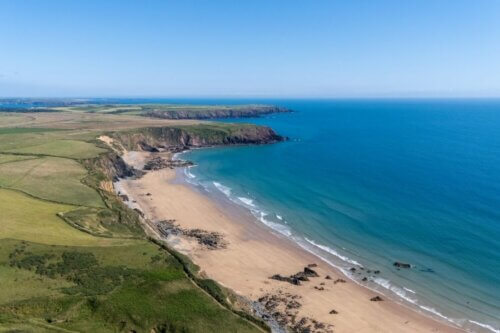
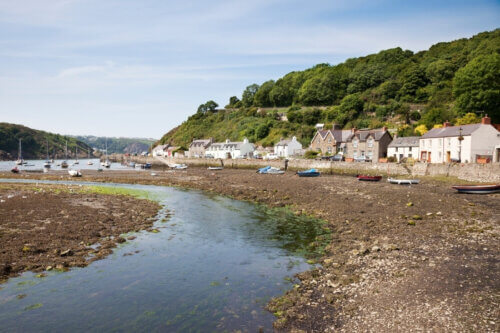
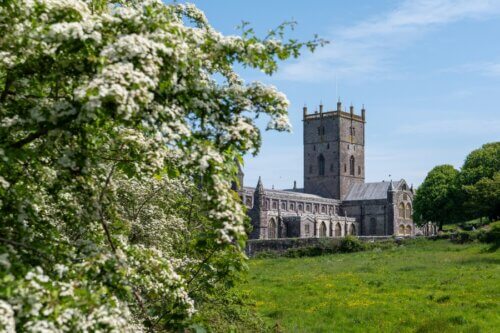
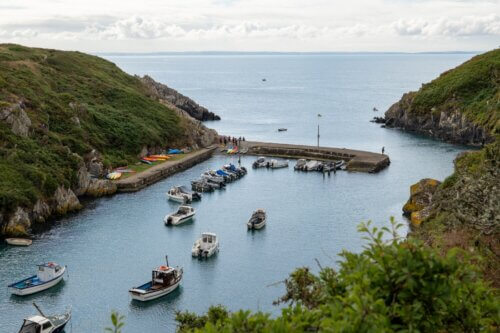
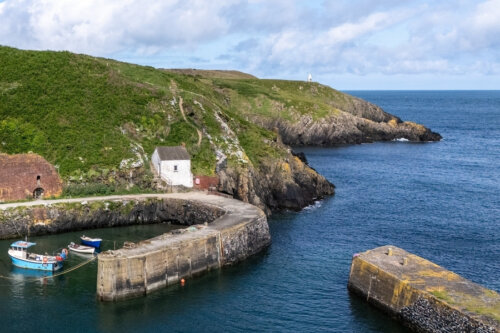
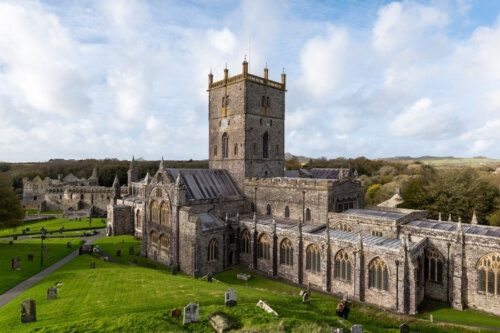
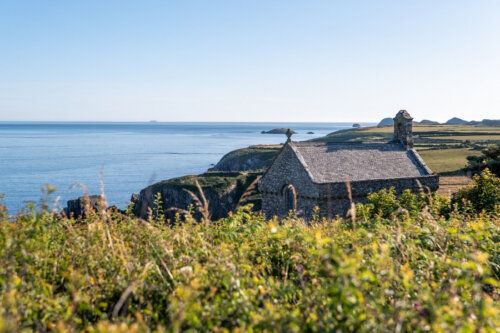
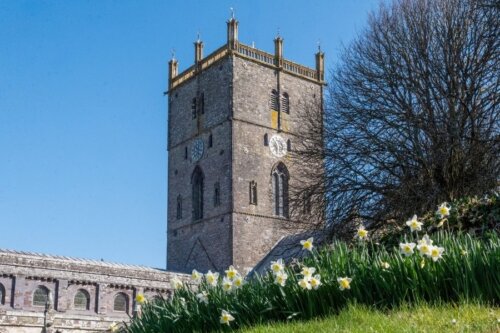
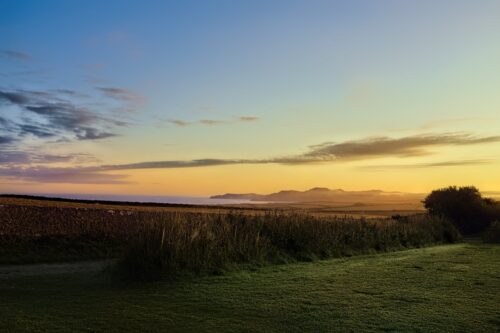
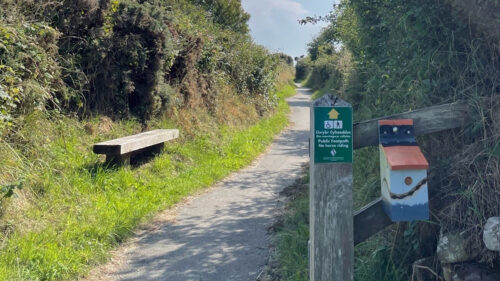
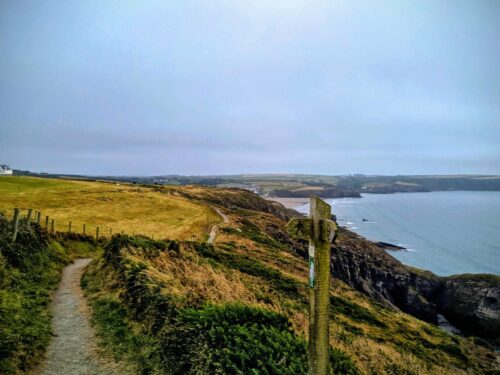
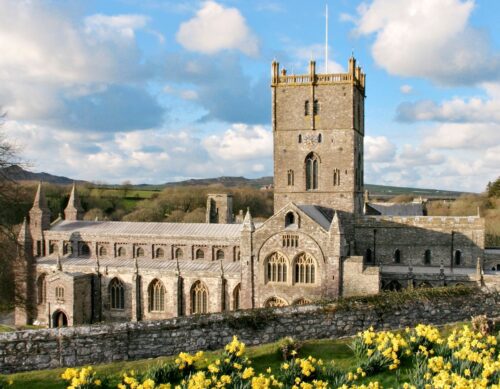
The cathedral remains at the heart of the city. The surrounding peninsula is still shaped by its cliffs, coves, farmland and coastal paths. Porthclais, Caerfai, Whitesands and St Davids Head remain familiar destinations for visitors exploring the area, while many of the historic buildings and archaeological sites described in the guide can still be visited today.
Of course, St Davids has changed. Cars have replaced some of the transport Evans would have known, businesses have come and gone, and the city has welcomed generations of new visitors. But the landscape that makes this place special has remained remarkably constant.
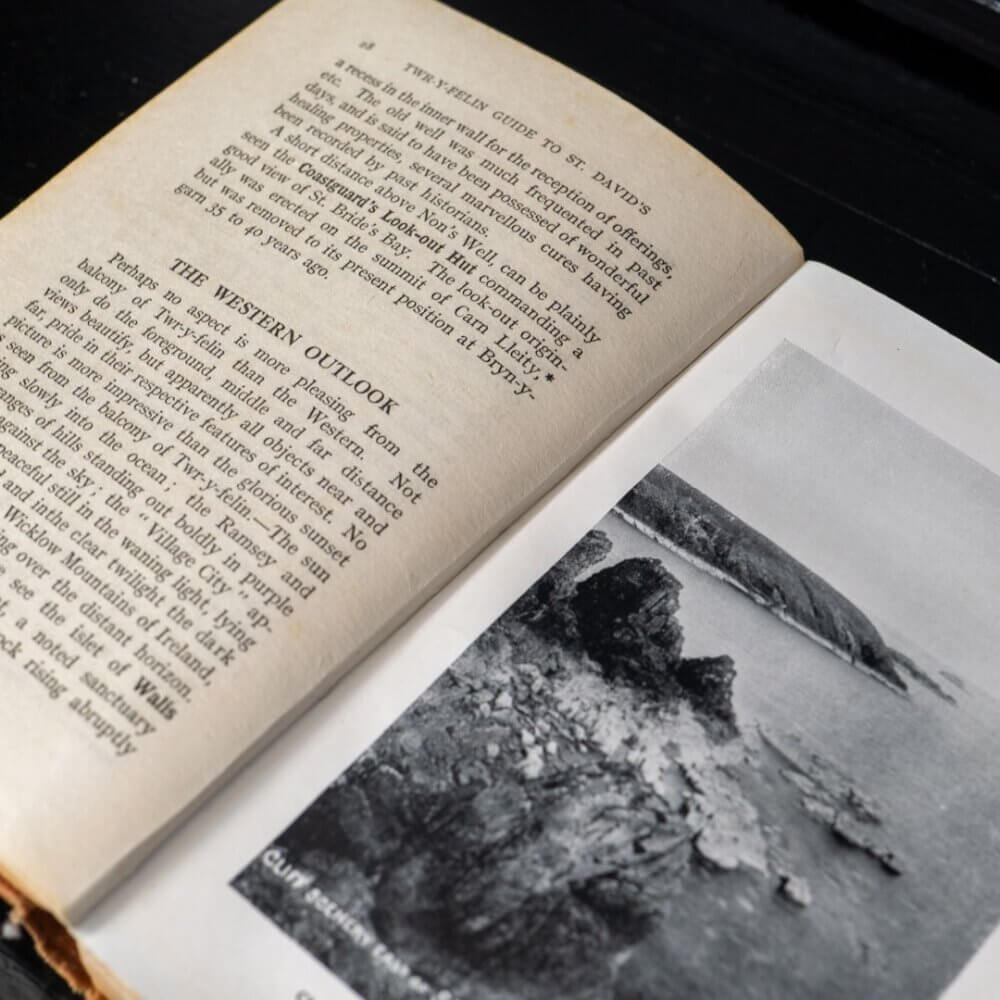
folded into history
A map of the peninsula
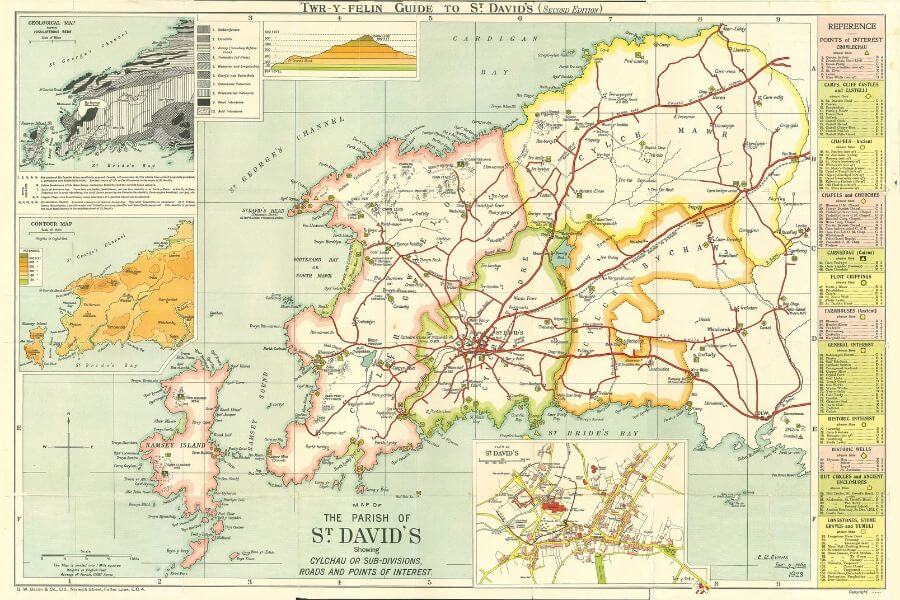
One of the most fascinating parts of the 1923 guide was the accompanying fold-out map.
Rather than simply showing roads and settlements, the map offered several different ways of understanding the peninsula. It included a map of the wider parish, a more detailed plan of the main part of St Davids, a geological map and a contour map, alongside a key listing points of interest.
For a visitor arriving in St Davids a century ago, it would have been an invaluable companion.
Many of the places marked on that original map can still be visited today. The names may be familiar to anyone who has spent time exploring the peninsula, making the map feel less like a historical document and more like a conversation between two generations of visitors.
Bringing the past into the present
In 2025, Retreats Group embarked on a major rebrand, with a renewed focus on the history, character and culture of Pembrokeshire. Rather than looking away from our surroundings, the new identity looks closer to home, taking inspiration from the places, stories and details that have shaped our properties and the landscape around them.
Look closely at our new branding and you may notice that the principal typeface has a striking similarity to the typography used in the 1923 Twr-y-Felin guide. Even our logos carry a small historical reference: the apostrophe in St David’s, echoing the way the name appeared in the original guidebook.
These details may not be immediately obvious, and that is intentional.
See St Davids from above
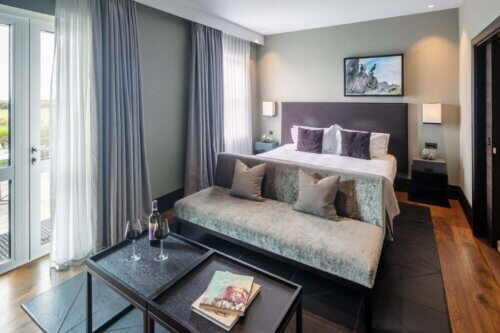
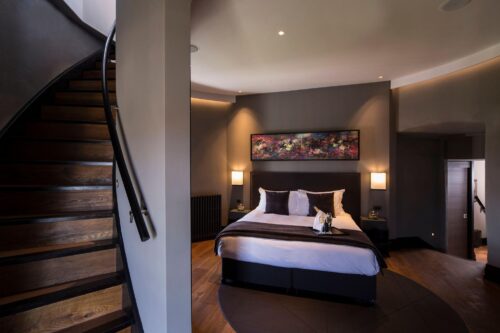
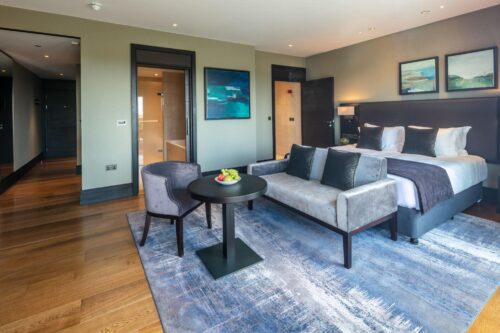
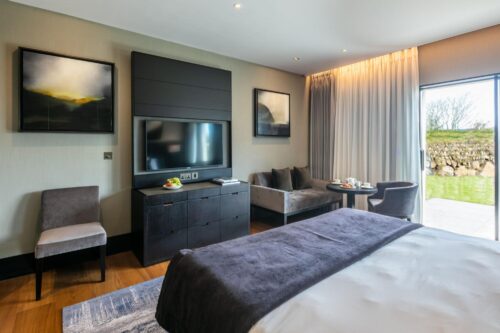
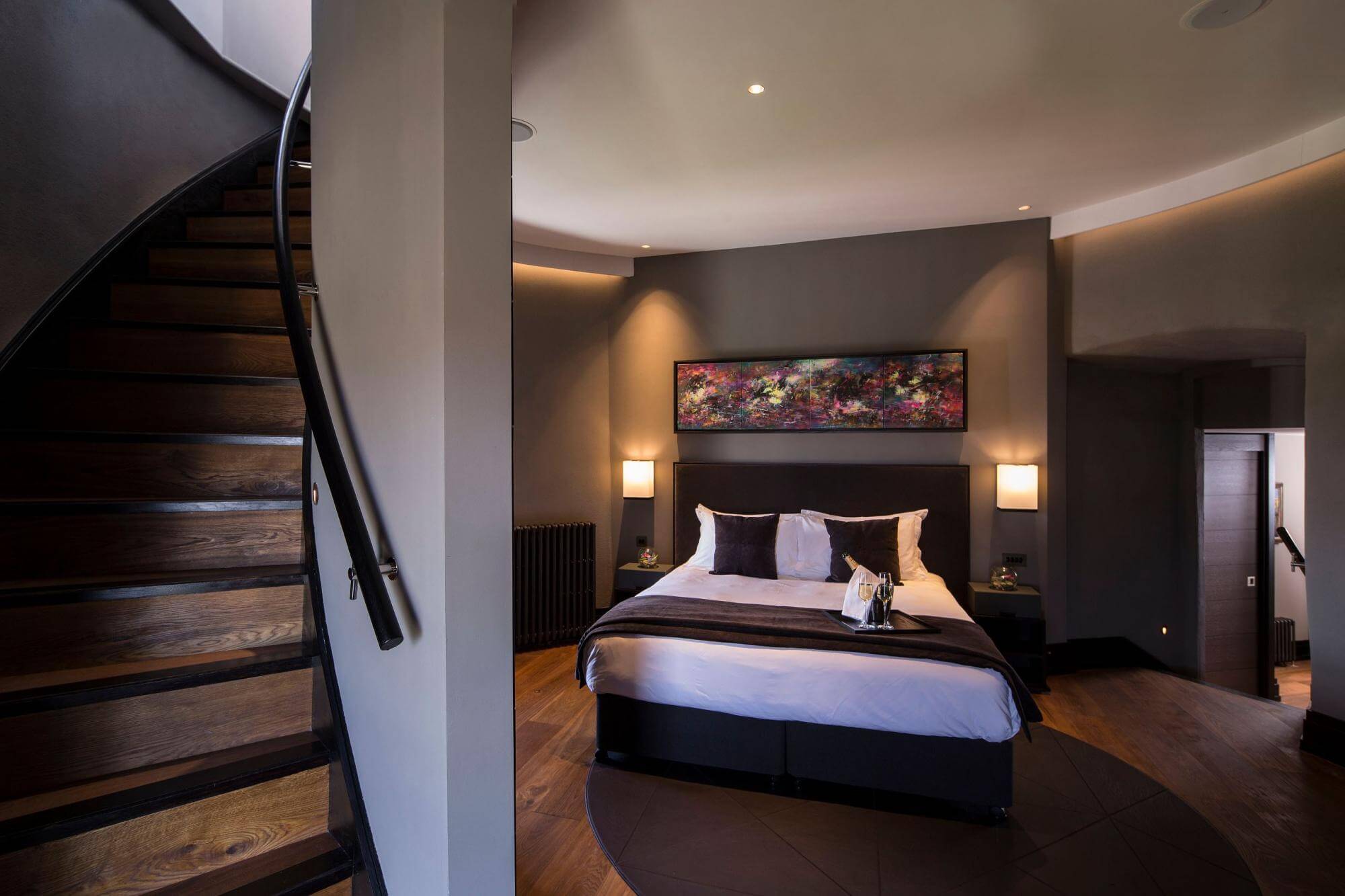
Stay in the Tyddewi Windmill Tower Suite at Twr y Felin and experience the views, history and character of St Davids from one of its most distinctive landmarks.