


The History of Twr y Felin
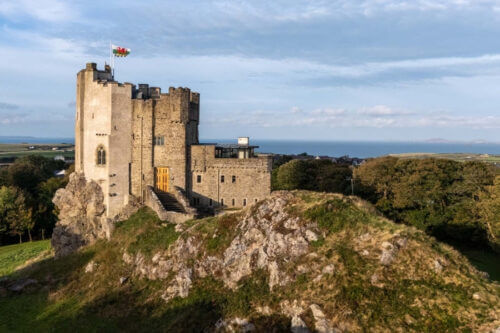
Standing on the edge of St Davids, Twr y Felin has been part of the landscape for more than two centuries. Today, it is known as a contemporary art hotel, but its story hotel to a wartime listening post, outdoor pursuits centre and finally the hotel we know today, Twr y Felin has continually evolved while remaining an important part of the history of St Davids.
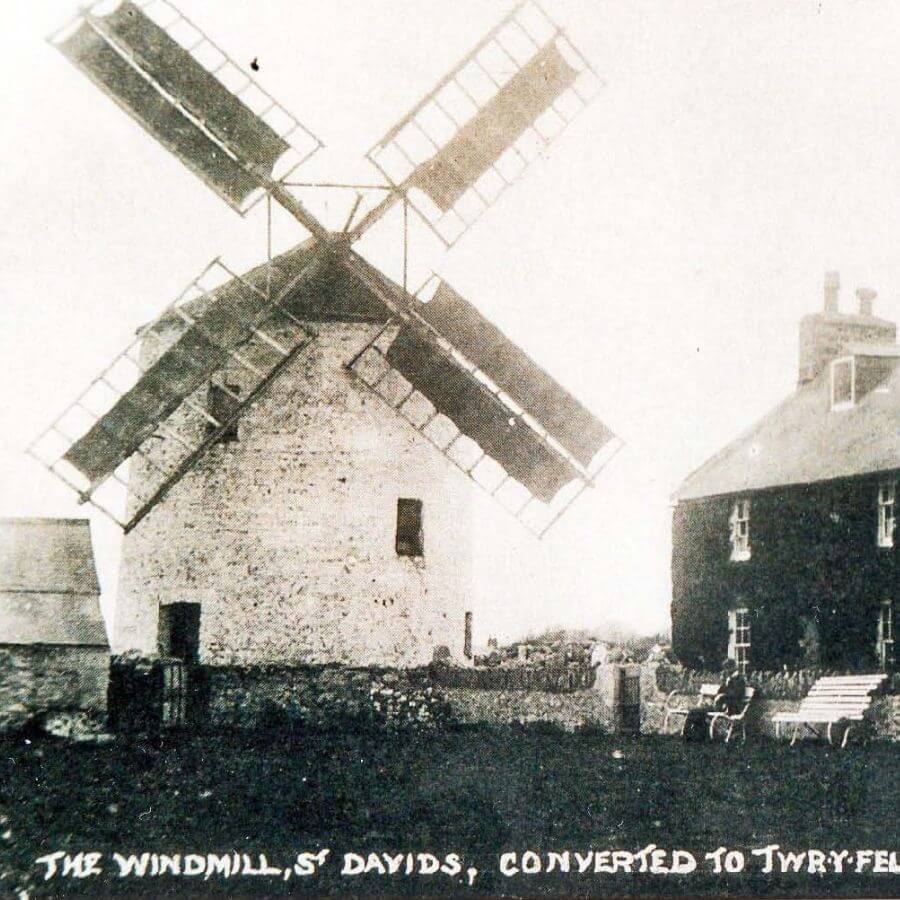
The story begins in 1806, when the windmill at St Davids was erected by George Llewellyn of Foxhole, Tygwyn, on the shores of Whitesands Bay. He was assisted by his two sons, John and Henry, who were carpenters. George, known locally as “Shors” Llewellyn, was said to have made much of his money from the sea, leading to the memorable local saying that he “got his money on the water, and invested it on the wind.”
The original windmill was relatively frail and struggled against the powerful north-westerly storms that regularly sweep across the St Davids Peninsula. Accidents were frequent and damage could be considerable. Eventually, a particularly violent storm completely destroyed the roof, wings and sails, blowing them into the adjoining field. The windmill was later purchased by George Williams of “The Old Shop”, a respected merchant from St Davids, who arranged for a stronger roof and new wings to be constructed. Before long, the familiar sound, or “music”, of the mill could once again be heard.
However, the mill’s battle with the elements was far from over. Local stories tell of another violent storm which once again blew the roof and wings from the mill and into the neighbouring field. Despite these setbacks, the windmill had become an important asset to the district. The people of St Davids encouraged Mr Williams to undertake its repair, and eventually the mill was restored once again.
In 1866, the windmill entered another chapter of its history when David Evans of Triago Farm purchased and renovated the structure. It is believed that materials from a shipwreck were used during its restoration, providing another connection between the building and Pembrokeshire’s dramatic coastline. The mill continued to play an important role in the local community, grinding corn until the beginning of the twentieth century. By 1904, its sails had been dismantled, bringing an end to its working life as a windmill.
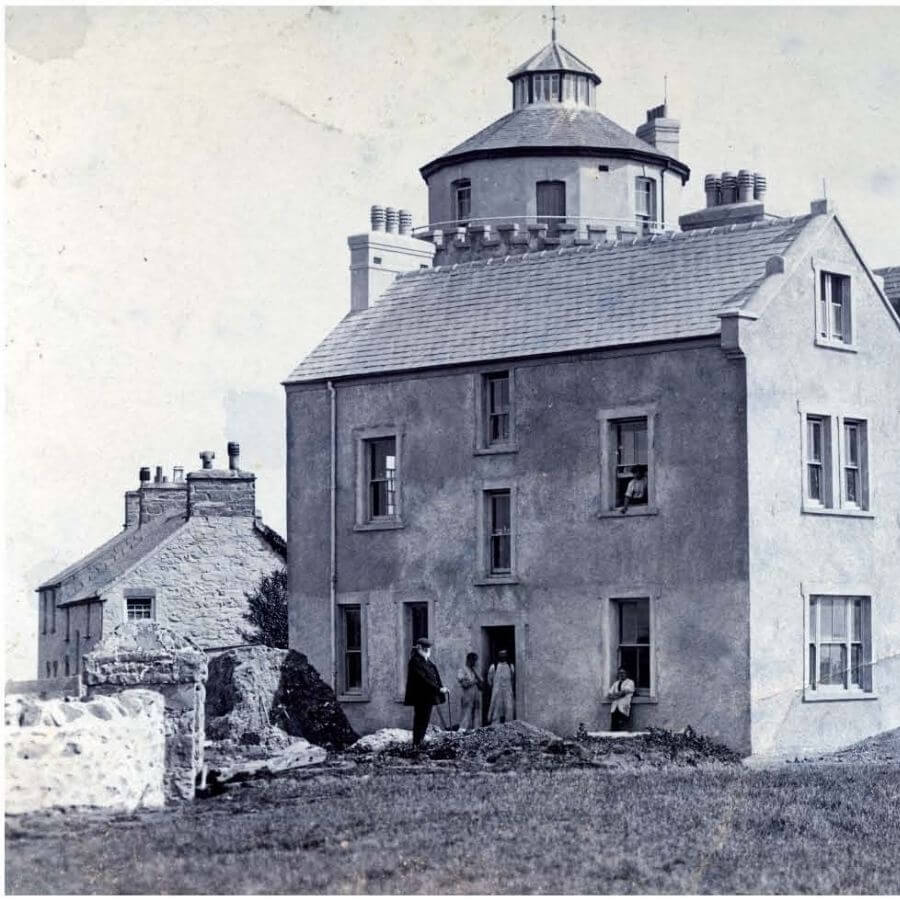
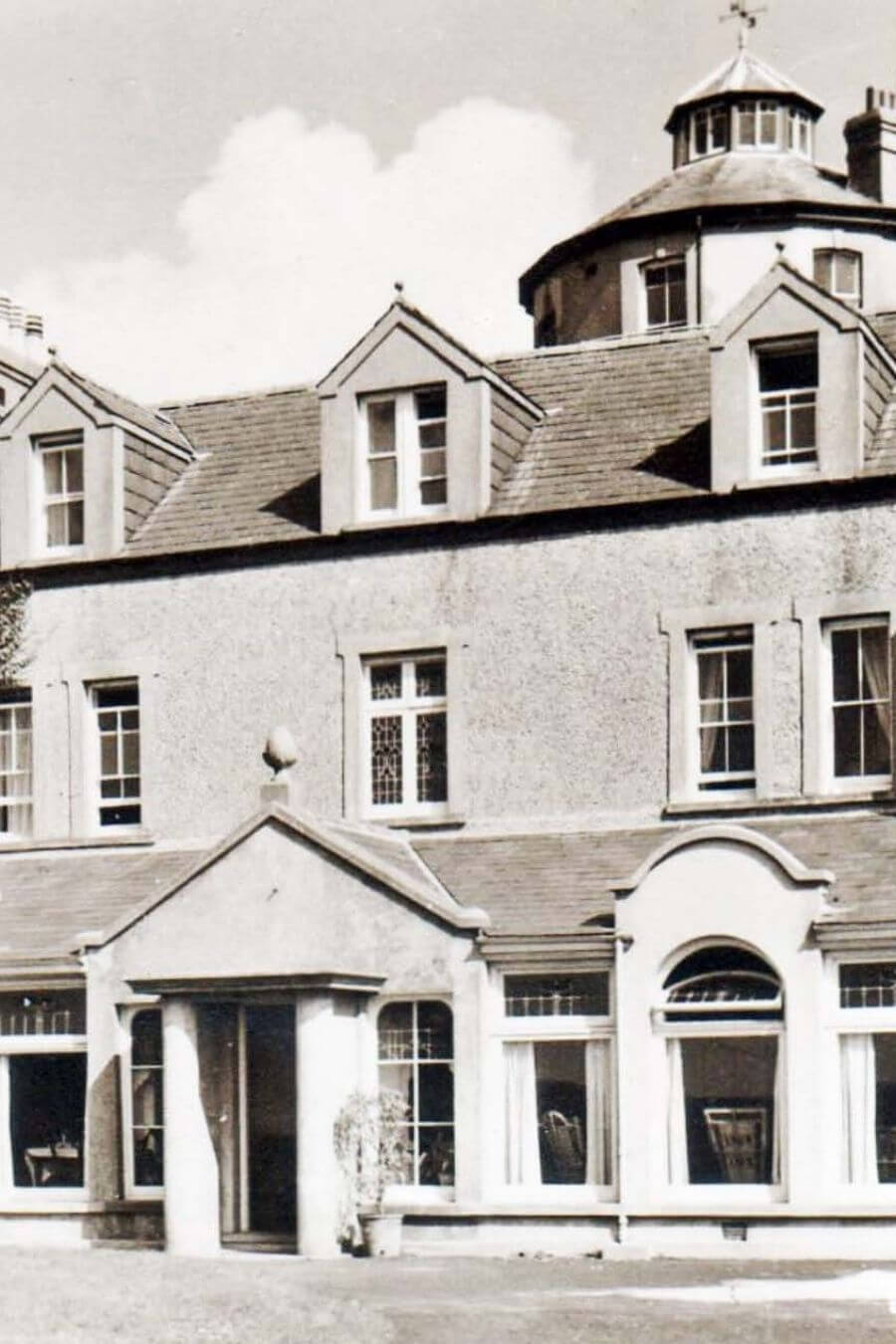
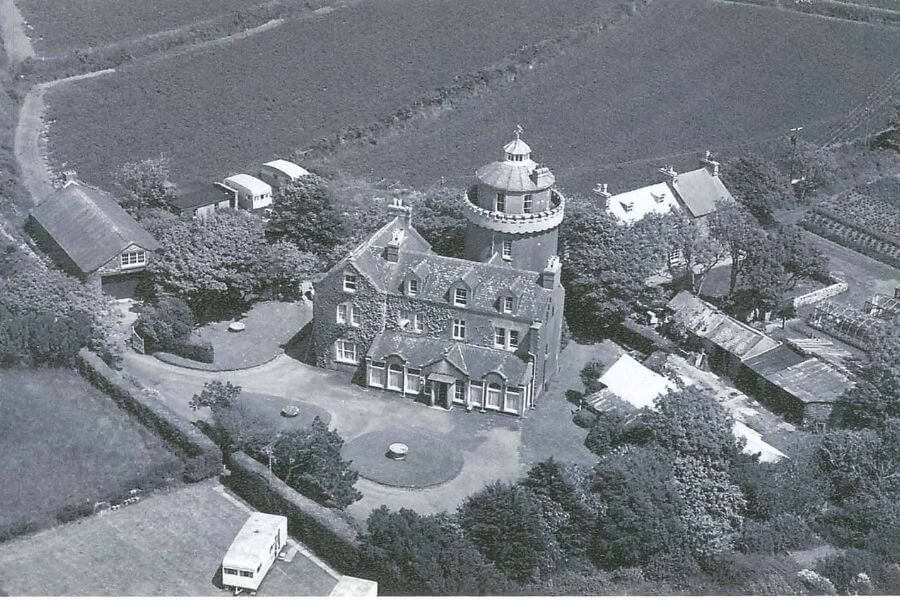
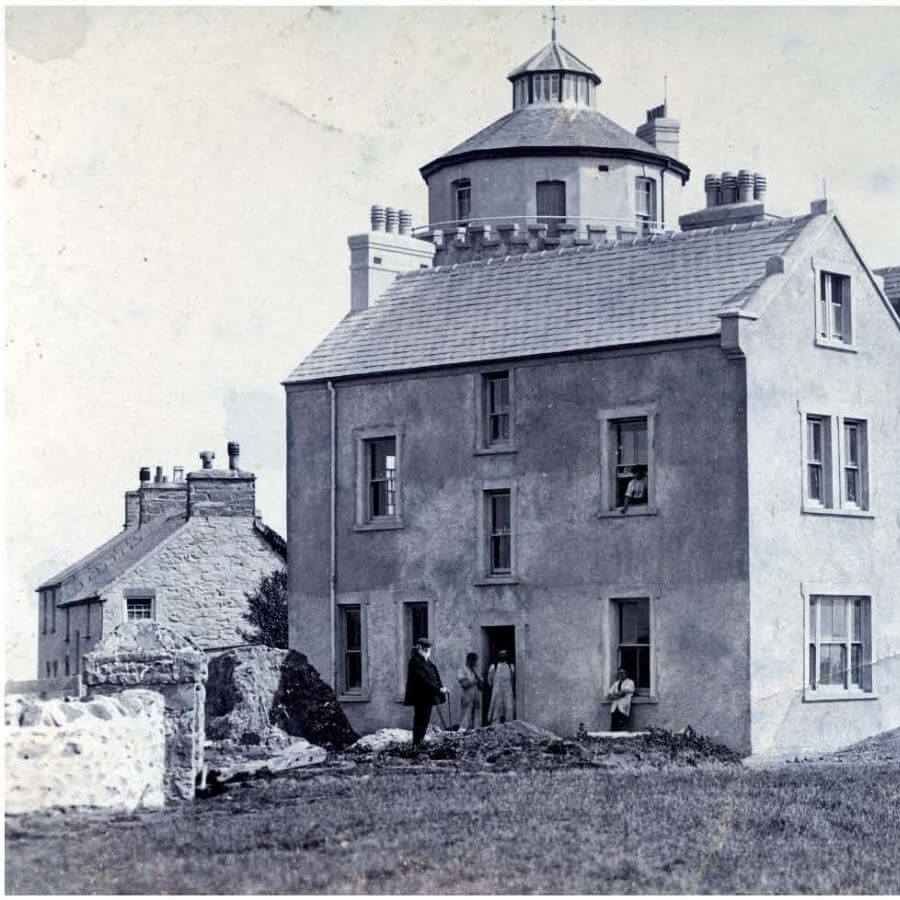
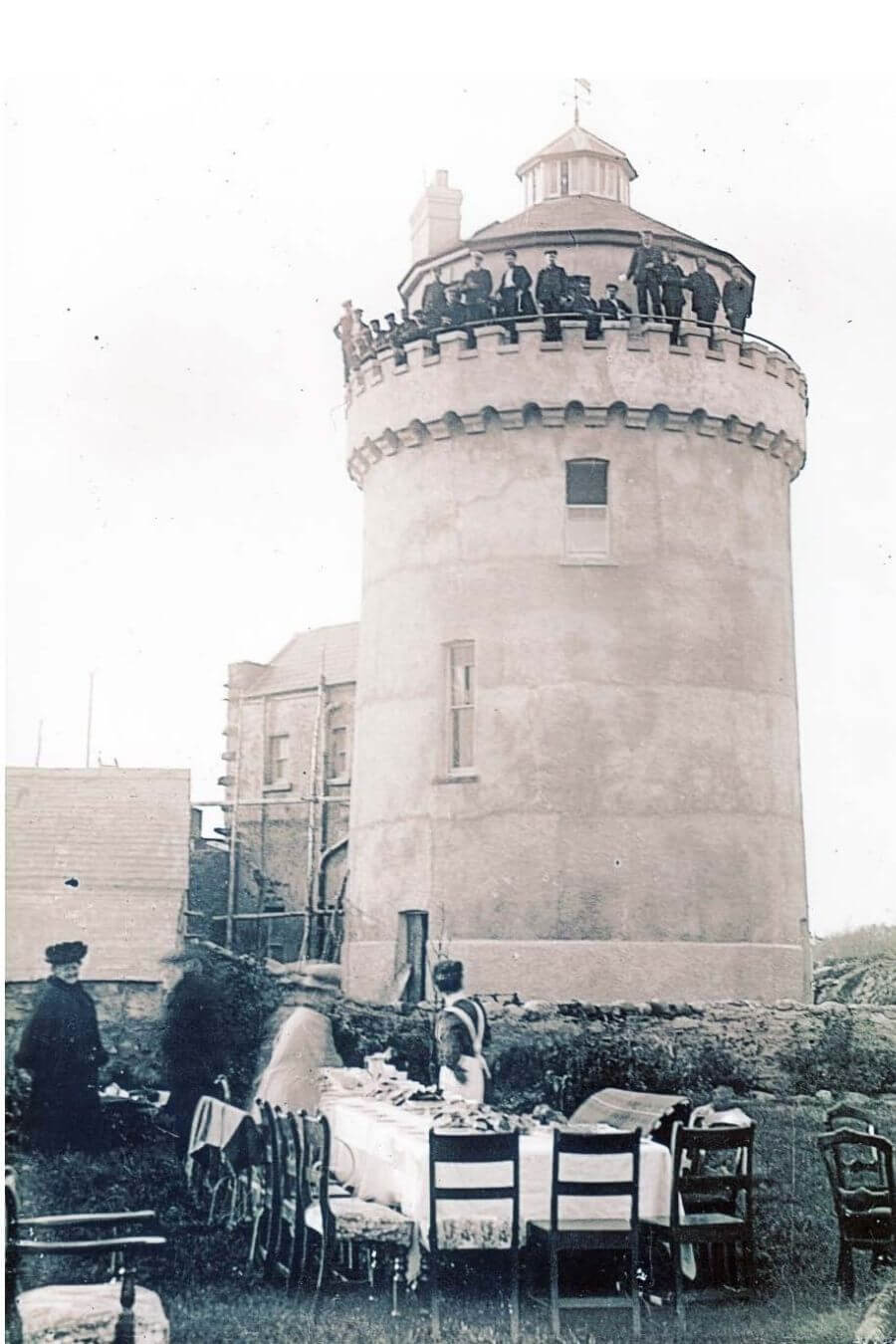
The building’s future changed dramatically in 1907, when David Evans’s youngest son, Evan Evans, raised the height of the tower. At just 21 years old, Evan transformed the former windmill and constructed new buildings alongside it to create a hotel. He named it Twr y Felin, Welsh for “Mill Tower”, a name that continues to connect the hotel to its earliest history.
Evan Evans had trained as a builder and architect in Cardiff and had served as a Staff Sergeant with the Royal Engineers, surviving the trenches of the First World War. He later went on to construct several significant buildings in the area, including the Masonic Hall in Fishguard, the City Hall in St Davids and many local houses. His sister, Elizabeth, took on the running of Twr y Felin, establishing it as a successful and well-known temperance hotel.
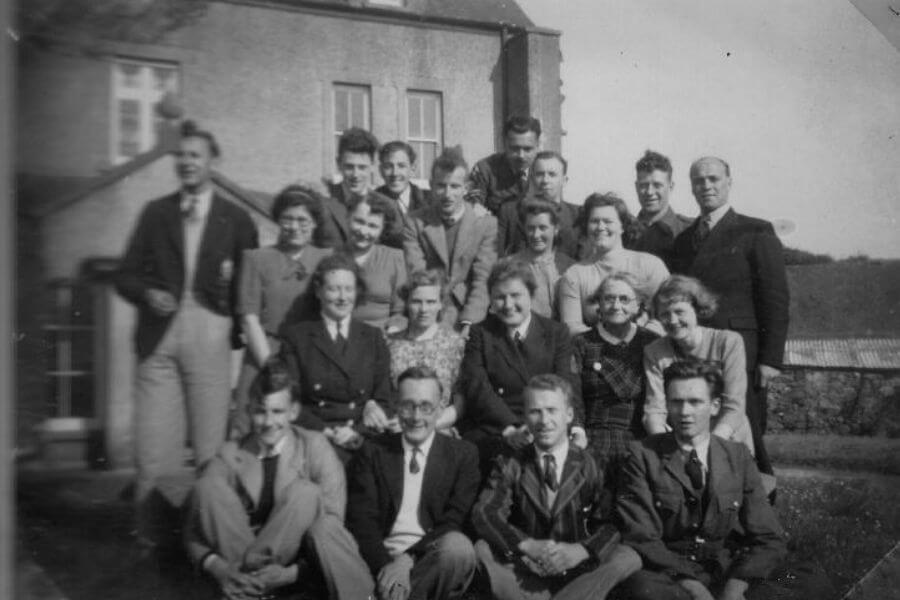
Twr y Felin continued to welcome visitors until 1939, when the building was requisitioned by the Government for the war effort. During the Second World War, its role changed completely. In 1940, evacuees fleeing the London Blitz stayed at the hotel, before the Admiralty later stationed members of the Women’s Royal Naval Service, known as the Wrens, at the building.
The former windmill tower became a secret communications and listening post. From the circular room at the top of the tower, Wrens monitored radio signals and listened for German transmissions. Their work involved searching radio frequencies, recording important signals and passing information to an Intelligence Centre when necessary. The work was highly confidential, and those outside the small group stationed there did not know exactly what was happening inside.
The following extract is taken from Dorothy Robertson (Smith) P/O Wren 59,516, My Memories of WRNS Days, in which she describes her time at Twr y Felin:
“St. Davids was, and still may be, a tiny village on the southwest tip of Pembrokeshire. Our Wrennery was a sort of converted lighthouse, with a circular room on top and windows all around, which was our watchroom. Nobody other than ourselves knew that we had VHF (very high frequency) sets in it, plus D/F (direction finding) equipment.”
Today, the Tyddewi Suite occupies this historic part of the building, continuing the story of the original windmill tower and the people who once worked there.
Following the war, extensive repairs were carried out by the Admiralty before the hotel was returned to Evan Evans. He subsequently leased Twr y Felin to his nephew, David Watts Evans, and his wife Freda. Once again, the building became a successful temperance hotel, welcoming increasing numbers of visitors to St Davids.
The hotel became so popular that David and Freda sometimes accommodated up to 80 guests, with visitors staying in private houses throughout St Davids when the hotel itself was full. Mealtimes were organised in relays to accommodate everyone. At a time when accommodation in St Davids was limited and tourism was beginning to grow, Twr y Felin played an important role in welcoming visitors to the city.
In 1970, the hotel was leased to Roy Lewis and his wife, who continued to run it as a temperance hotel on a smaller scale. Then, in 1986, the property was sold by members of the Evans family to Andrew and Sarah Middleton. The next chapter would take Twr y Felin in a completely different direction.
For the following 23 years, Andrew Middleton operated Twr y Felin as an Eco-Lodge and Outdoor Pursuits Centre. The building became an important centre for surfing and adventure, with international surfing championships based there. The dramatic Pembrokeshire coastline provided the perfect setting for outdoor activities, and it was during this period that the exciting activity of coasteering was first introduced at Twr y Felin.
In 2009, Keith Griffiths recognised the potential of the historic property and purchased it for the Griffiths Roch Foundation. A new vision for Twr y Felin began to take shape, one that would respect the building’s history while creating something entirely new for St Davids.
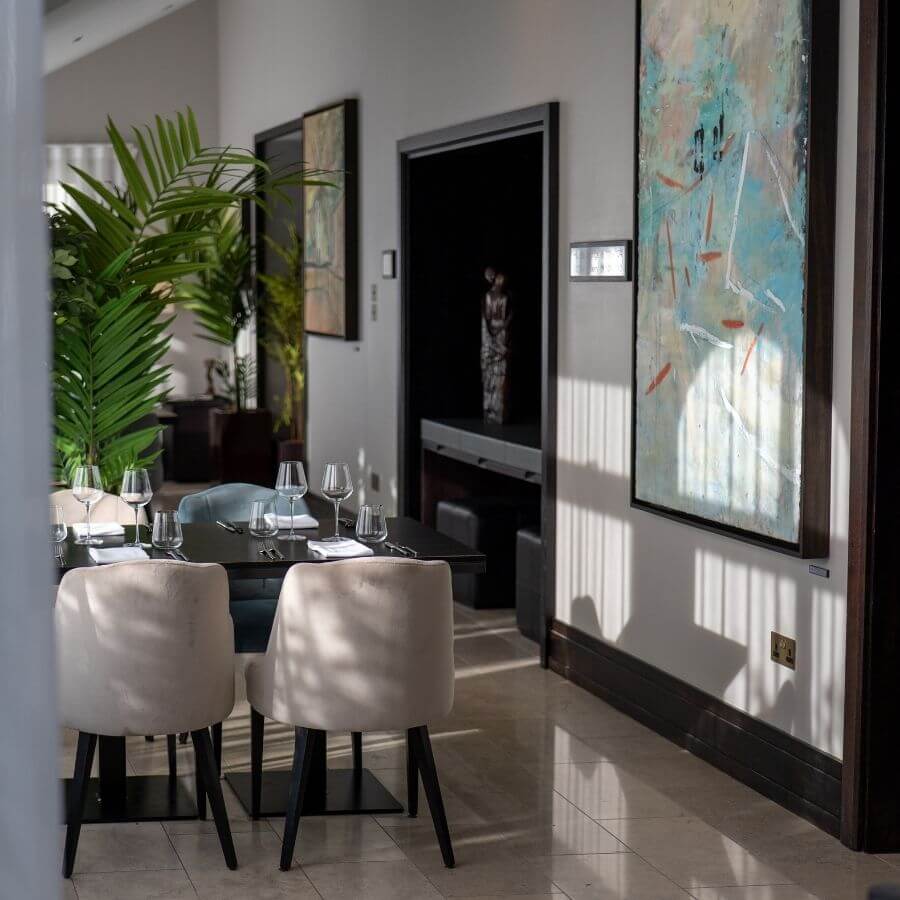
After five years of planning, design and construction, Twr y Felin reopened in December 2015 as a contemporary art hotel. The transformation brought together the building’s remarkable past with an ambitious new artistic vision. Original artworks were commissioned to reflect the landscapes, colours, wildlife and character of the St Davids Peninsula and Pembrokeshire, creating a hotel where art and place are closely connected.
The hotel initially opened with 19 ensuite bedrooms and two suites, alongside Blas Restaurant, the Cornel Bar and the art-inspired lounge, Oriel. Set within its own grounds, Twr y Felin offered visitors a new way to experience St Davids, combining contemporary accommodation, dining and art with a building that had already experienced more than two centuries of history.
Many of the rooms at Twr y Felin are also closely connected to the surrounding landscape. Their names are inspired by local beaches, islands, headlands, caves and places of historical significance. Porth Lysgi, for example, is connected to the sixth-century Irish chieftain Lysgi, while Ramsey and Skomer reflect the Viking history of the Pembrokeshire coast. Tyddewi, the Welsh name for St Davids, provides a direct connection between the hotel and the historic city in which it stands.
Following the success of the hotel, planning permission was secured in 2018 for an additional 20 bedrooms. Construction began in autumn 2019, with plans to open the extension in 2020. However, in March 2020, the COVID-19 pandemic brought the country into lockdown. Work continued intermittently throughout 2020, but the uncertainty surrounding the hospitality industry meant that the reopening of the extension was delayed. Finally, in May 2021, Twr y Felin reopened and welcomed guests to its completed new bedrooms.
The extension also introduced a significant new collection of art. Six artists were commissioned to create 70 new artworks, continuing the hotel’s connection with contemporary art. Among these works was a collection by Sarah Shaw, inspired by the idea of the “Pause” in time experienced during the lockdowns of 2020 and 2021.
Today, Twr y Felin continues to evolve. What began as a windmill in 1806 has been a working mill, a temperance hotel, a wartime listening post, a refuge for evacuees, an outdoor pursuits centre and a contemporary art hotel.
At the heart of it all remains the original tower. It has witnessed storms, wars, generations of visitors and more than two centuries of change. While Twr y Felin has been transformed many times, its history remains an important part of the experience today.
A Secret in the Tower
During the war, Twr y Felin’s windmill tower became a place of secrecy, duty and constant listening. Explore the hidden history of the WRNS station and the women who served there.