


Born in 1970 in the Bolivian mining city of Oruro, Marcelo Suaznabar is a self-taught artist who first exhibited at the age of sixteen, when his Sacred Art series was exhibited at the French Alliance and the Cultural House in Bolivia. Since, Suaznabar has exhibited widely in Latin America, Canada, Europe and the U.S. He has held solo exhibitions in Japan, and in groups in Hong Kong.
Suaznabar’s passion for drawing began early, encouraged by his uncle, a professional photographer. He drew prodigiously, mostly animals, insects, and plants. From drawing, he moved to pastels, watercolours, and coloured pencils. Suaznabar credits Oruro’s mystical and folkloric energy as incentive to create – combining this with colonial baroque art Suaznabar experienced in the colonial city of Potosi, Suaznabar began his first phase that focused on Christianity, including recreations of sacred scenes as in Coronation of the Virgin.
In 1992, wishing to experiment, Suaznabar travelled to Santiago, completing a four-month course at the Catholic University of Chile, focused solely on improving his use of colour. This experience birthed the “Apocalypse” phase, influenced by Bosch and Bruegel, where Suaznabar used the Biblical apocalypse to represent environmental destruction through human greed.
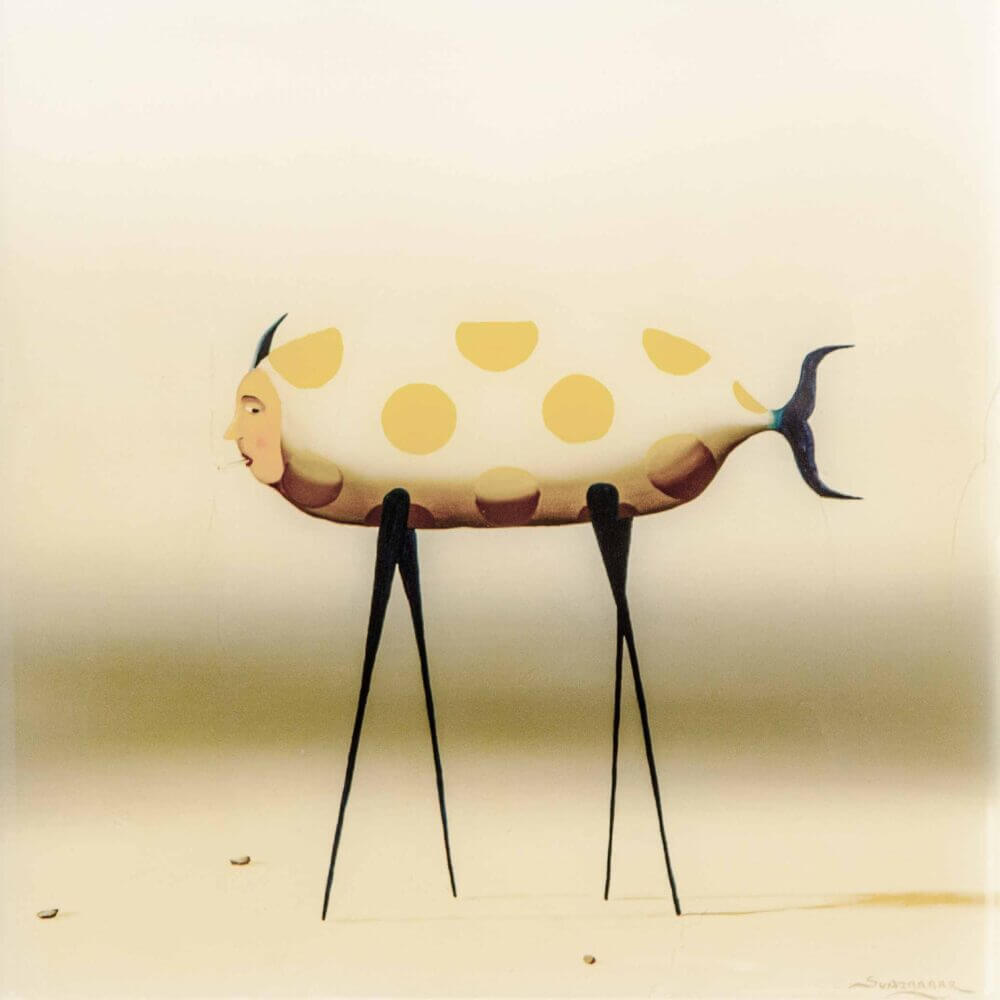
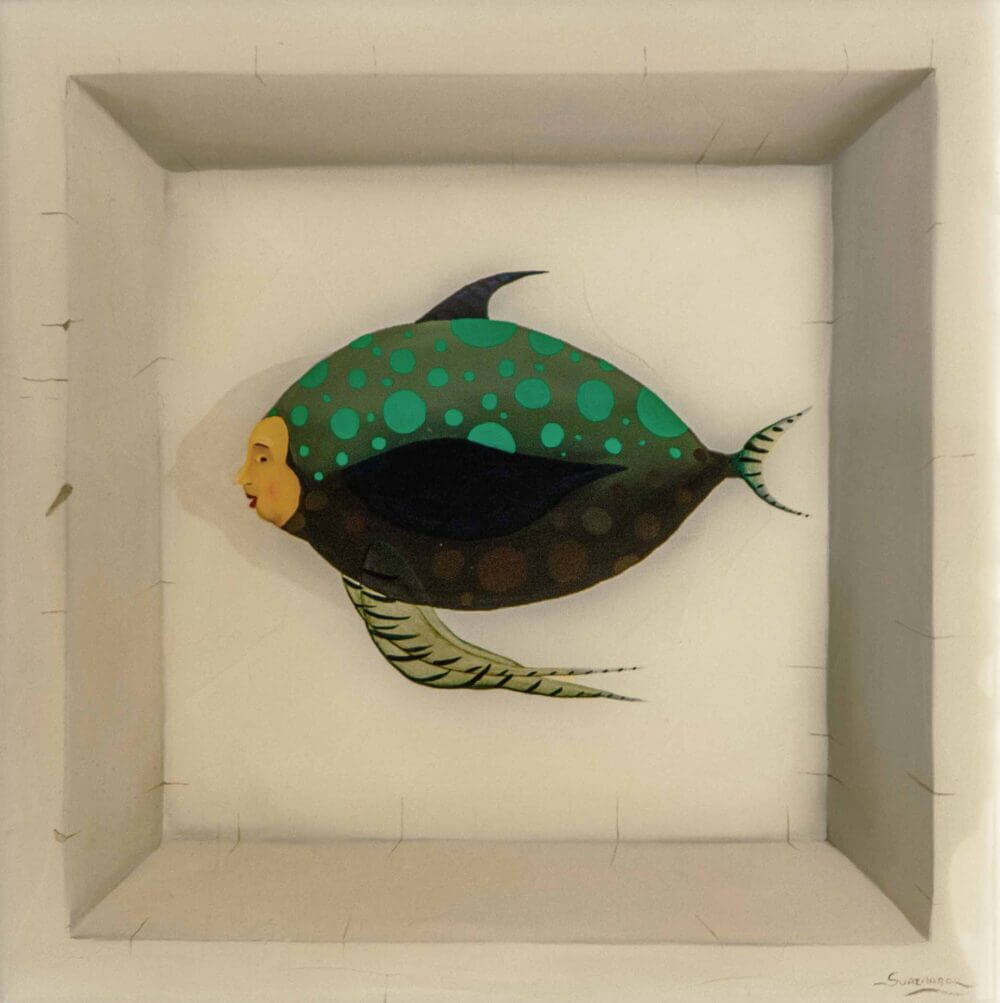
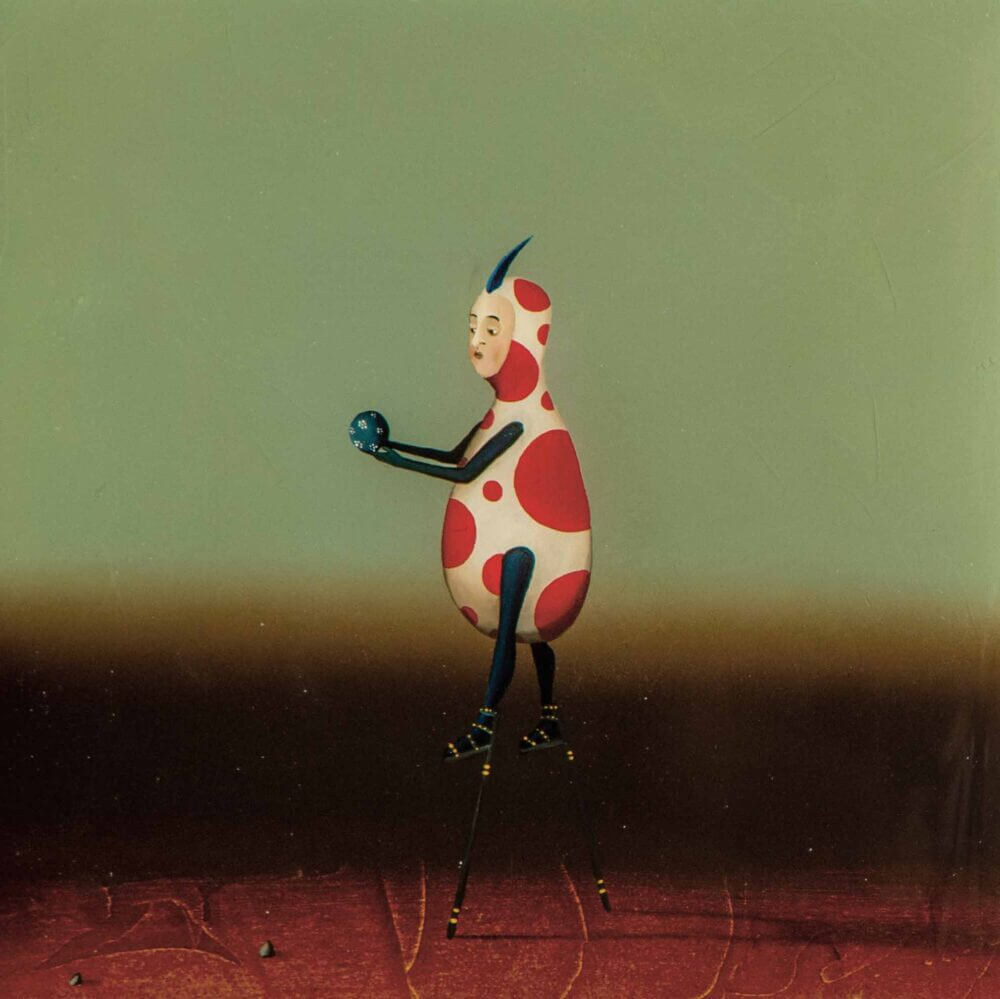
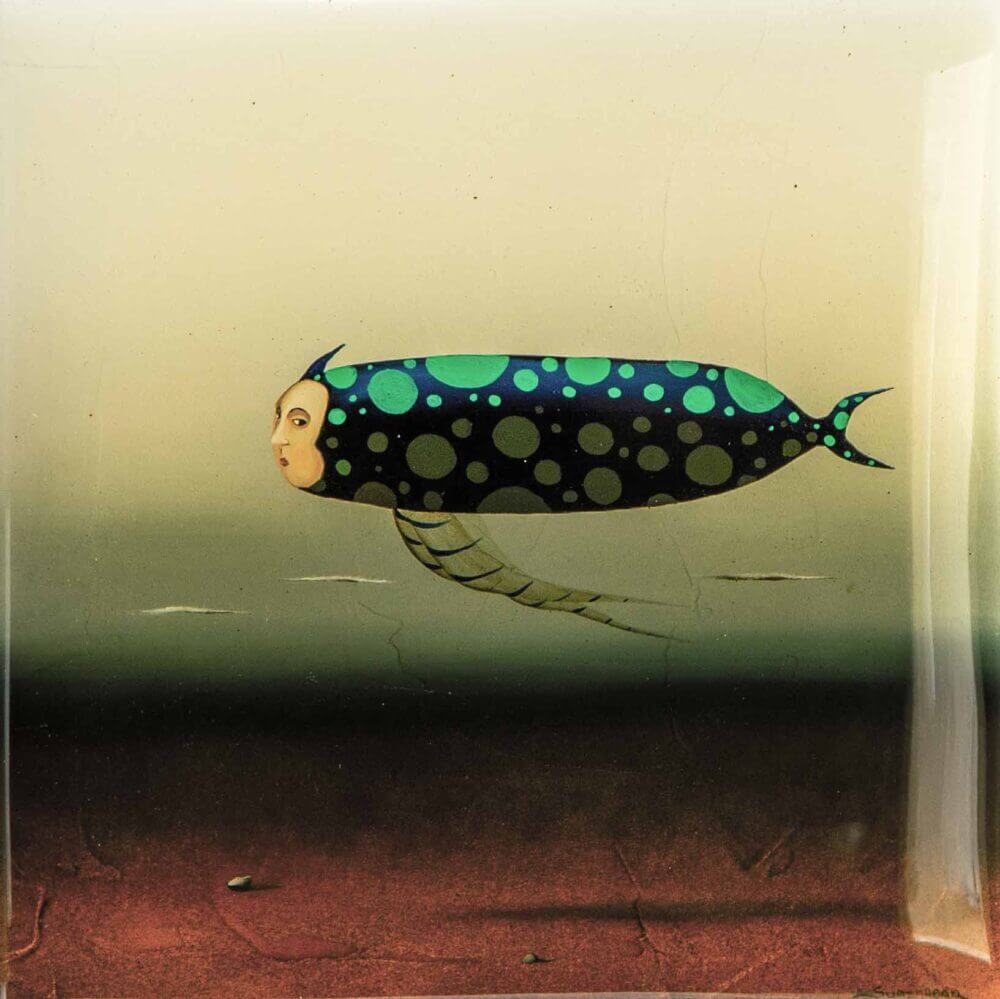
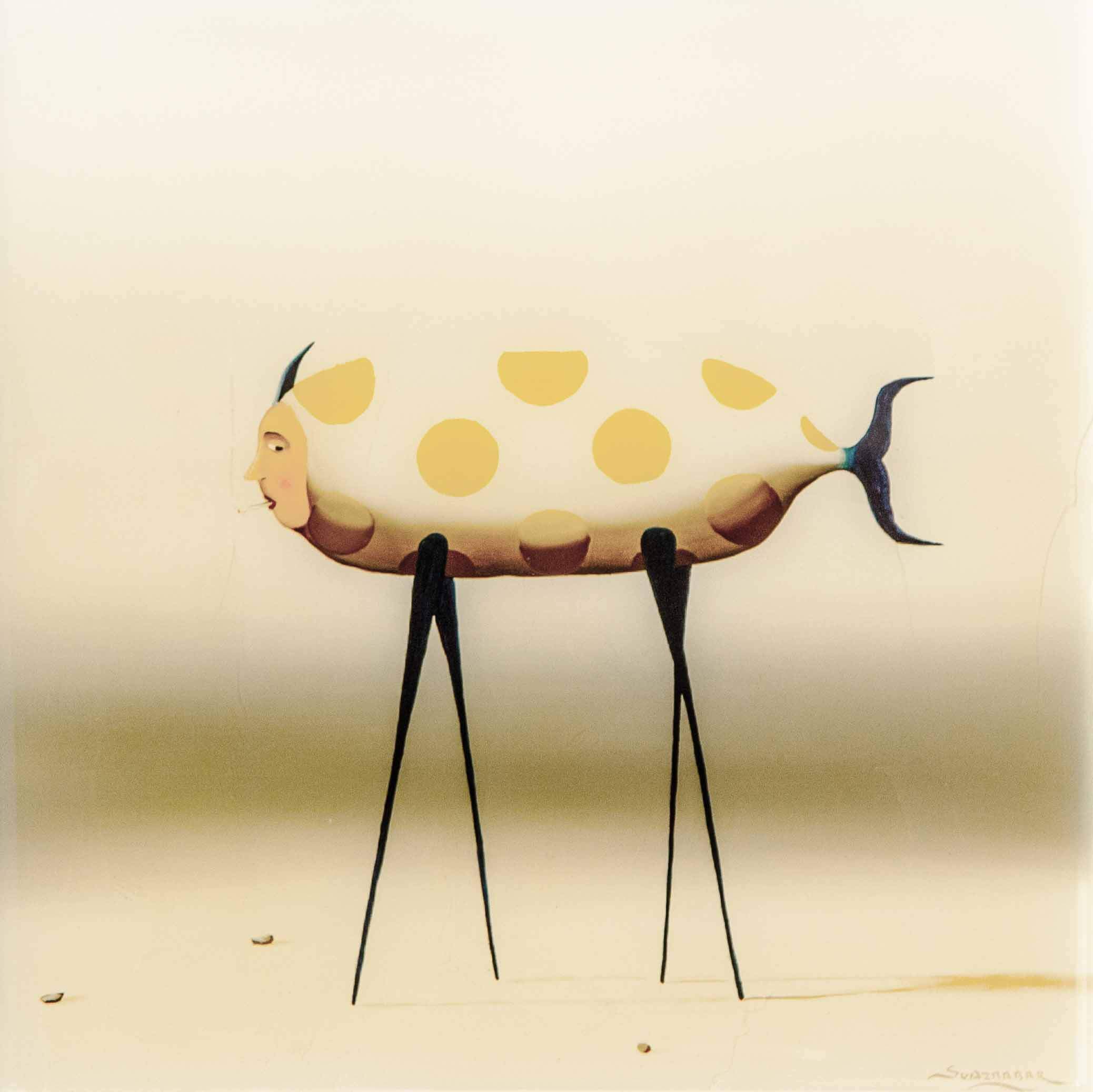
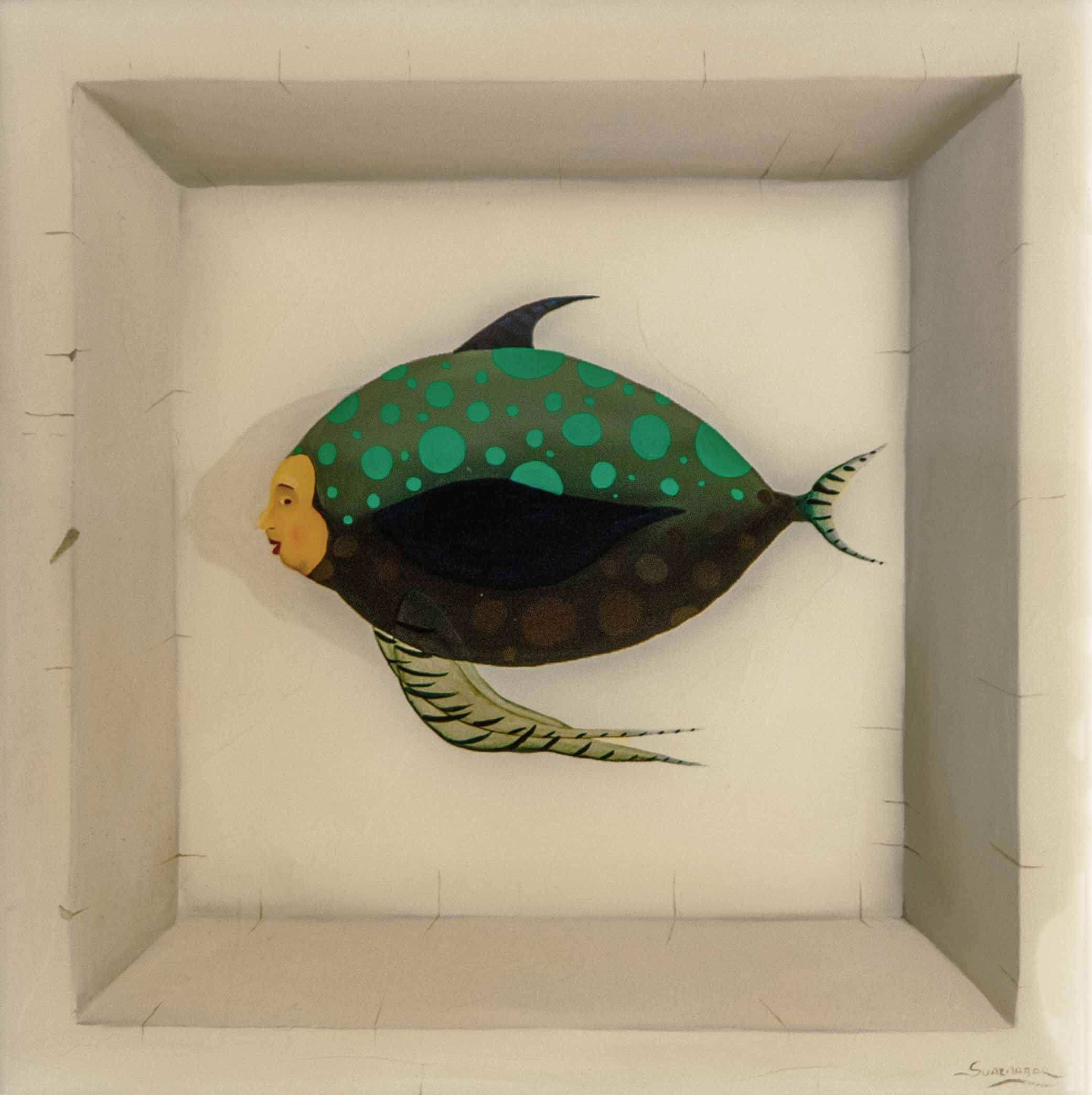
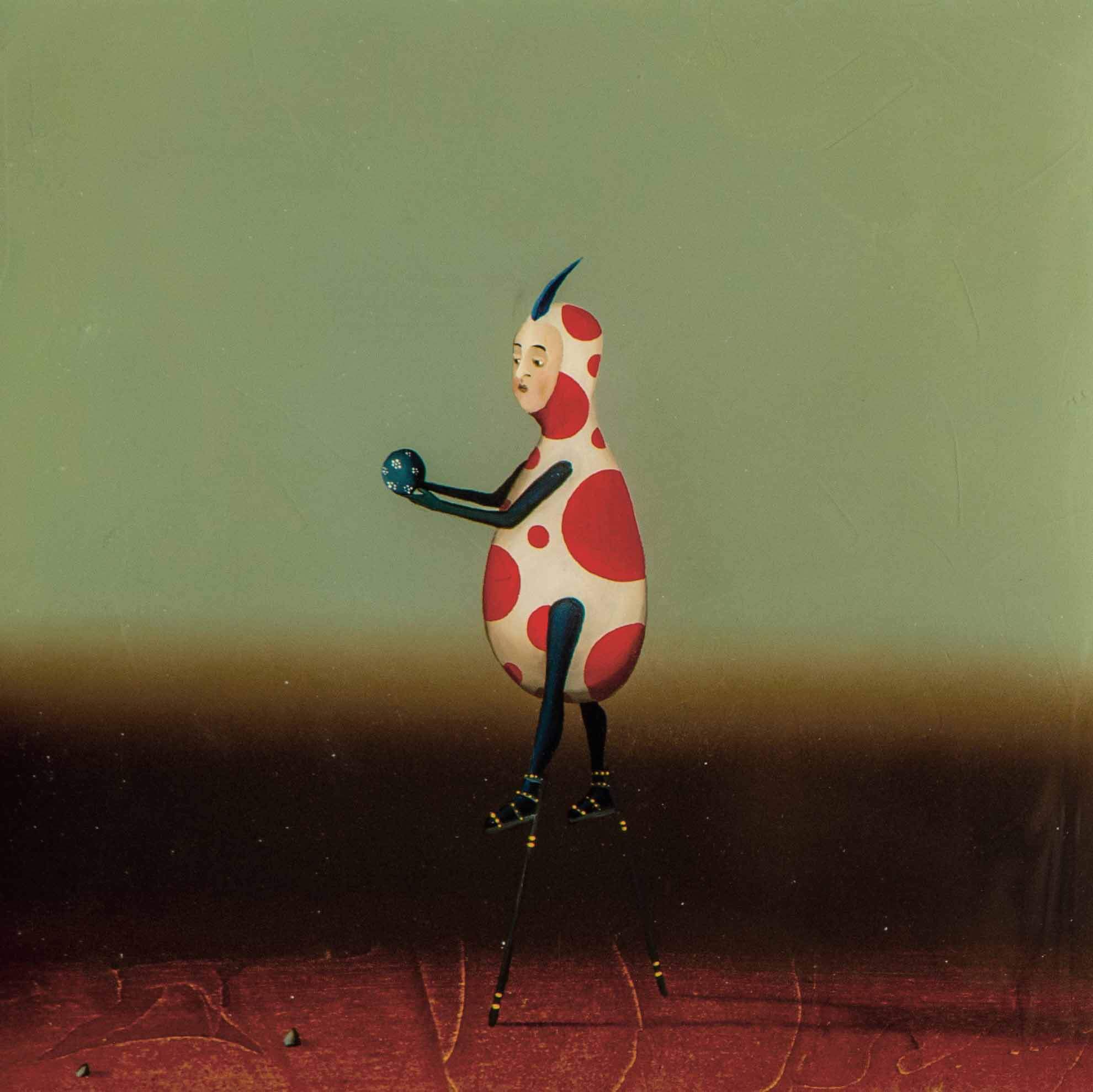
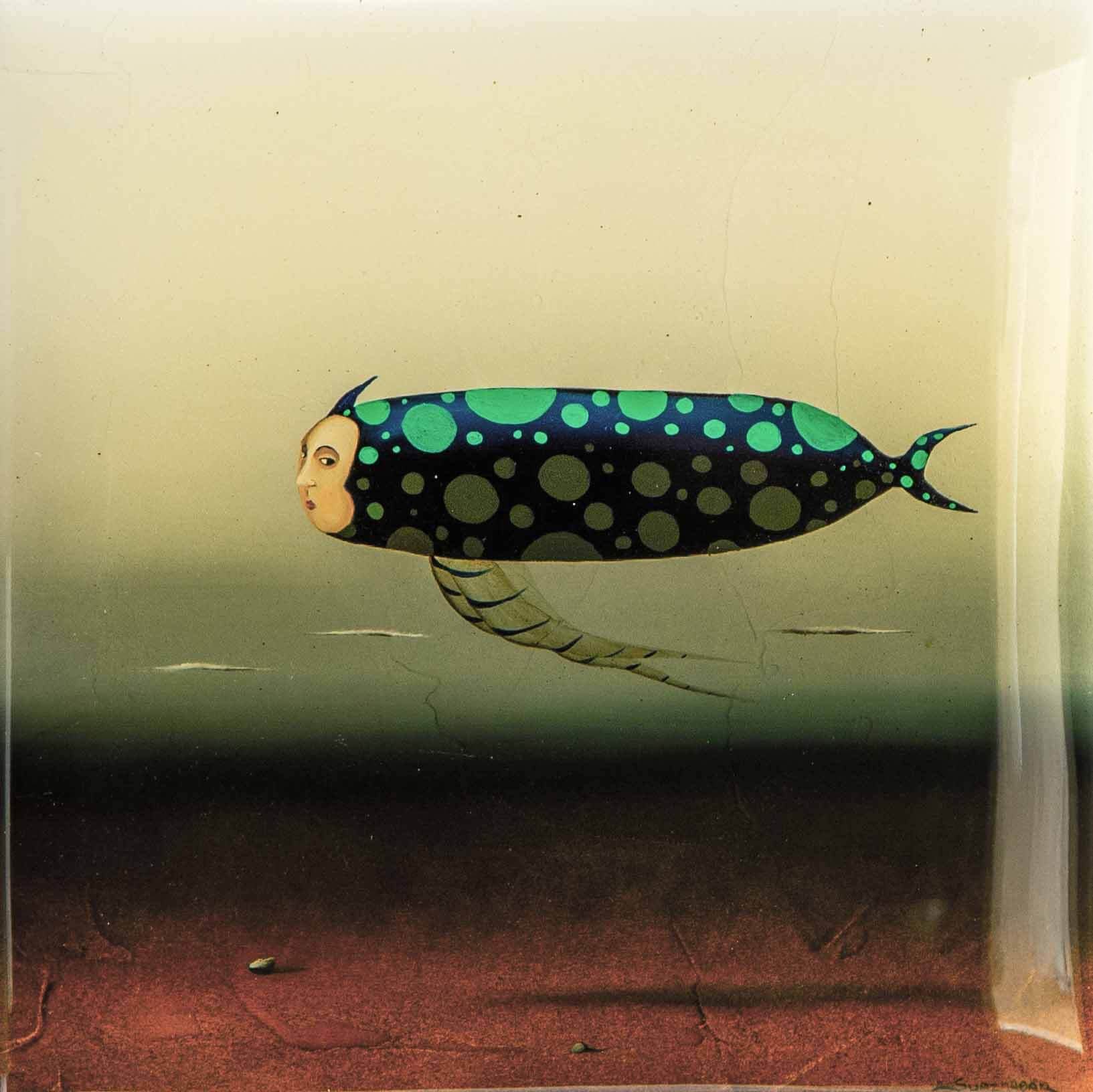
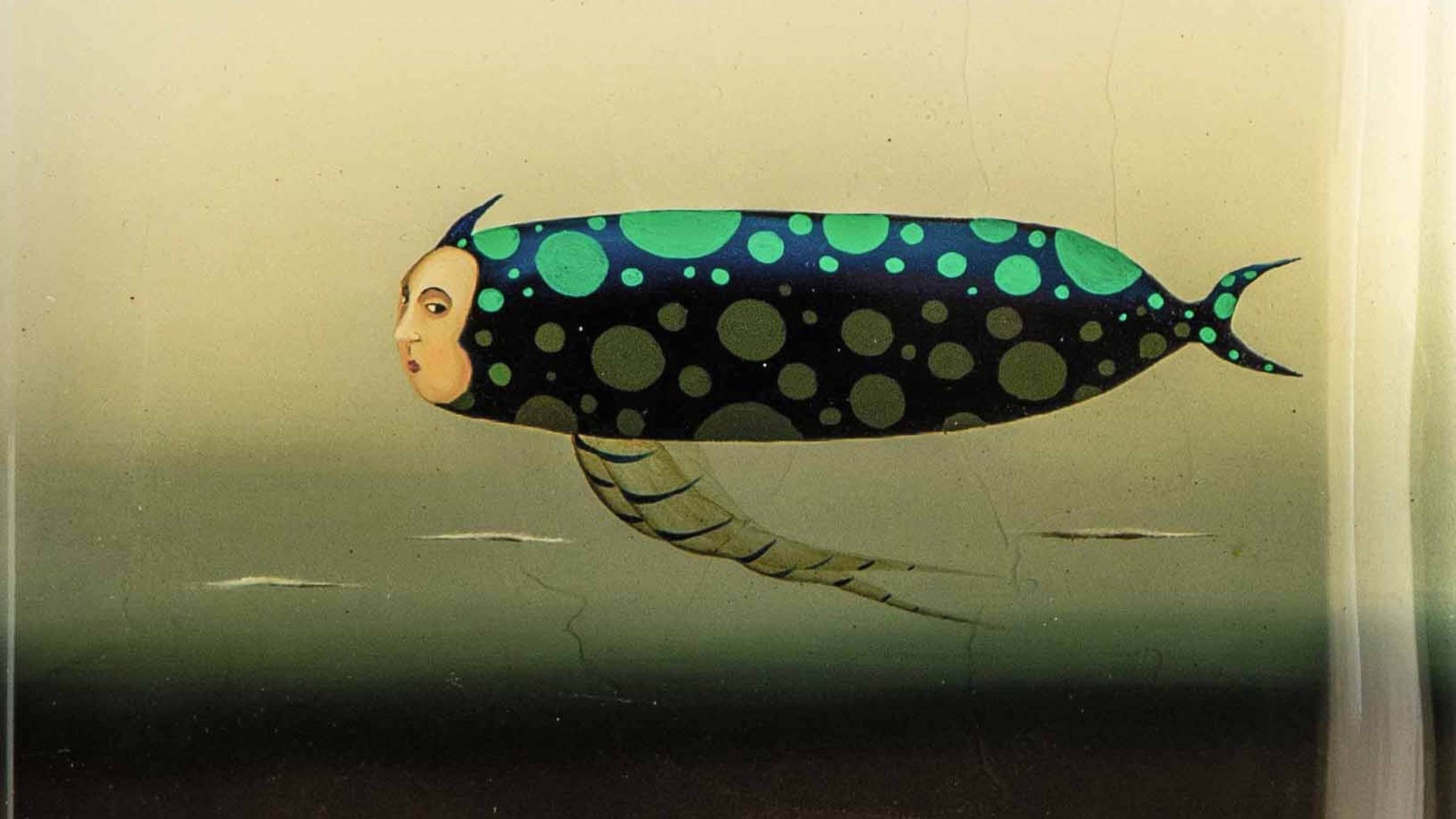
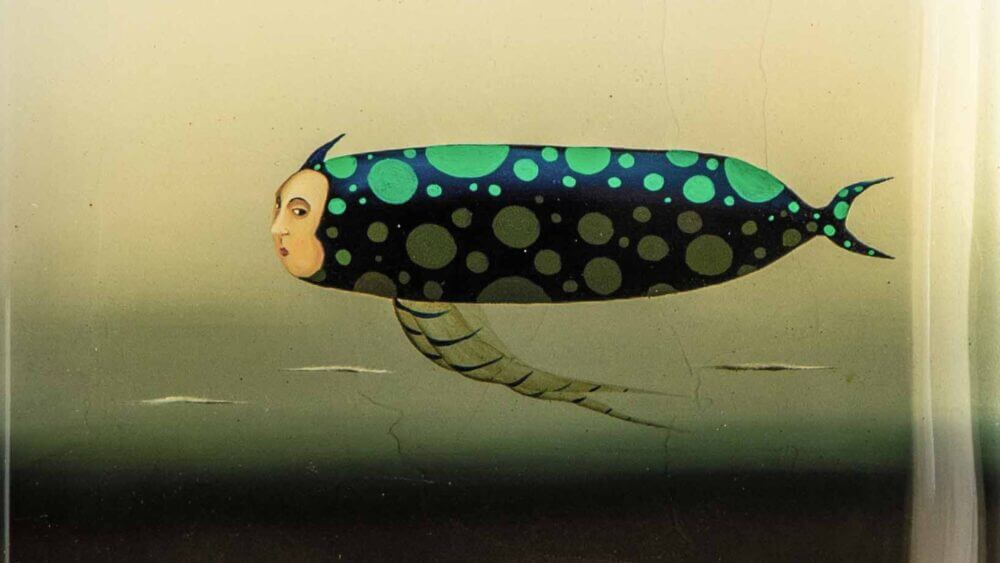
Suaznabar’s move to Canada in 2001 triggered a focus on surrealism and symbolism inspired by Dali and Remedios Varo – for example by representing nature as an egg in Energy of the Future. Despite this shift, Suaznabar’s work remains imbued with the essence of Bolivia. The Bolivian altiplano regularly recurs, while the theme of nature is omnipresent – Suaznabar’s depictions of familiar subject matter like fish and animals are retooled into fantastical creatures with human faces and surreal adornments. Using precise brushstrokes and bold colours to enhance the main subject, Suaznabar always presents the viewer with multiple options and multiple interpretations – to Suaznabar, that mystery is what makes art.